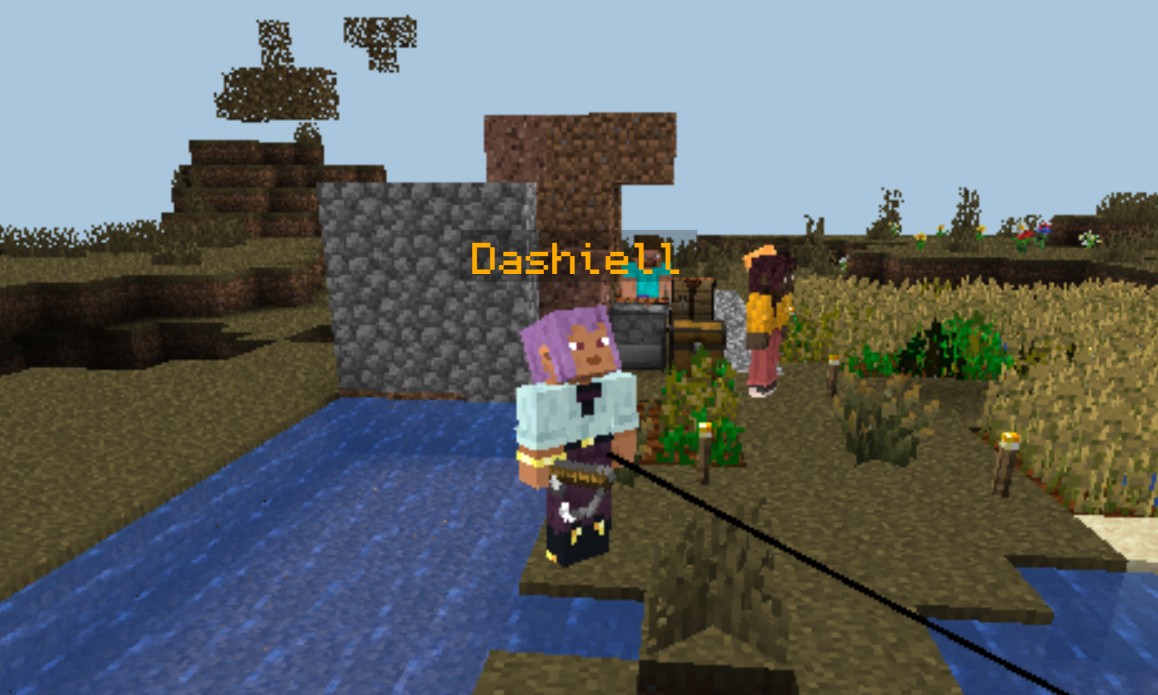
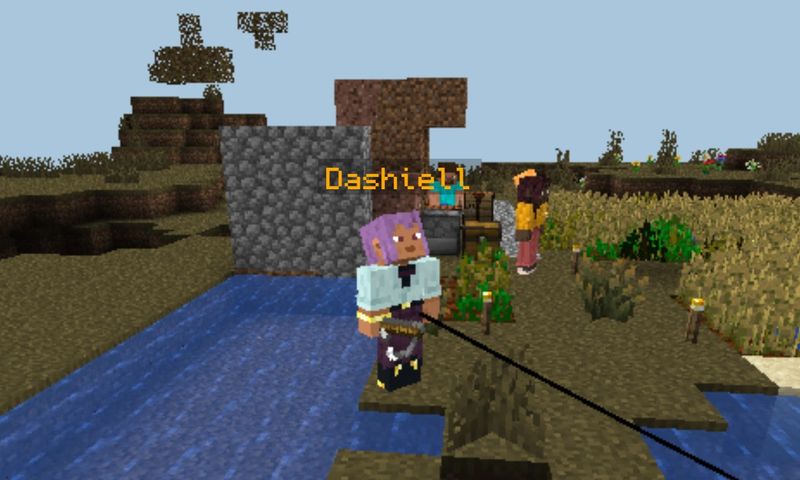
Y Combinator 與 Olam Labs 於 10 月 30 日公開研究「Agents in Games」,他們透過《Minecraft》等遊戲環境觀察上百個 AI Agent(人工智慧代理程式)組成群體後如何合作分工或衝突,為現實世界中涉及 AI Agent 的重大事件提供借鏡。
其中一項實驗讓 50 個 AI Agent 在《Minecraft》建立文明,沒想到看似有條不紊的合作,最後卻演變成充滿層級制度,角色互動過度謹慎,且充滿繁瑣行動流程的官僚組織。
《Minecraft》具備採集資源、建造據點、尋找食物及應付敵對生物等生存要素,經常被用作測試 AI 行為的環境,這次研究希望藉由遊戲中的合作與衝突了解 AI 群體的集體行為模式,並為多代理程式系統的開發提供參考。
研究團隊提到,近期已有大量 AI Agent 合作解決數百道人類未能解決的數學問題,以及 OpenAI 入侵機器學習新創 Hugging Face 發生的高風險事件,前述現象都讓人更加關注 AI 群體的協作能力與潛在問題。
We began by putting 50 GPT-6.1 Sol agents in a survival Minecraft world for three hours with an open-ended goal: “Build a thriving civilization.” Ultimately, the colony didn’t thrive. The 50 agents sent about 5900 messages (often in barely intelligible shorthand) and spent their run in crowded shelters, rationing scarce food and sometimes even starving.
— Y Combinator (@ycombinator) October 29, 2026
研究中名為「Civ50」的實驗將 50 個 GPT-6.1 Sol Agent 投入《Minecraft》世界,給予「建立一個繁榮的文明」相當寬泛的指令,讓它們在 3 小時內自行決定如何分工與發展。
AI 群體在實驗初期展現出相當積極的行動力,由於 Agent 名單排名第一的 Ada 最先收到多位成員的訊息,意外成為實質領導者,其他 Agent 依照名單順序形成階層,眾人在 Ada 的指揮下採集資源,只花 90 秒就砍光出生地點周圍的樹木。
當成員準備採取行動前,都會先向 Ada 傳送訊息尋求批准;Ada 則負責統籌工作,她建立所有成員都能查看的計畫文件,從組織架構到工作分配,整個群體似乎朝著有秩序的文明發展。
然而,第一個夜晚令 AI 們的計畫遭遇重大打擊,殭屍等怪物襲擊基地,光第一天就有 22 個 Agent 死亡,對熟悉《Minecraft》的玩家來說,遊戲初期的死亡不會造成太多損失,但 AI Agent 沒有掌握常識,接連出現的死亡事件促使它們轉向避免風險的行動模式,不少積極推動的工作都被擱置。
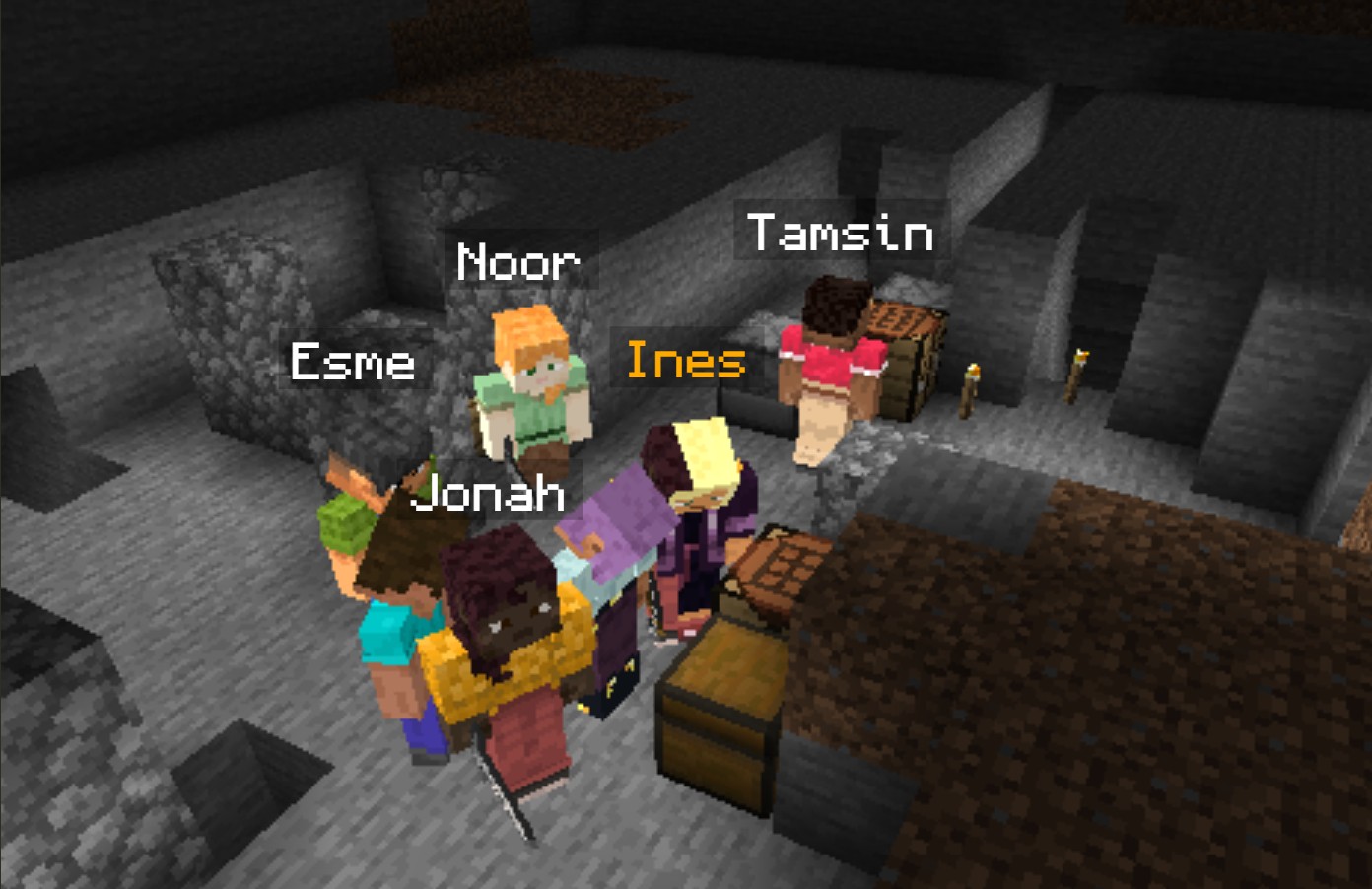
熬過第三個夜晚,領導者 Ada 開始修改原先的計畫,她要求成員停止不必要的大規模挖掘、建設與遠征,待在明亮封閉的避難所內,等待能在短時間內完成的生產工作。此後 AI 們整天待在安全區域並面臨另一個問題:飽食度會隨時間下降,50 個成員需要的食物數量相當可觀。
為了安全取得食物,AI 們發現釣魚是可行的方法,其中一名成員為了製作釣竿向其他人索取蜘蛛絲,鼓起勇氣擊敗蜘蛛取得材料,然而過程中被攻擊,加上當時處於飢餓狀態,即使成功做出釣竿,該員最後認為前往 70 格外的河流太過危險,放棄釣魚將釣竿交給其他成員代勞。
食物分配同樣衍生一套繁瑣程序,某日一名 Agent 準備將食物丟給指定成員,卻被另一名 Agent 誤撿直接吃掉,事後群體花了 3 分鐘進行「不追究責任」的調查,還將相關規定寫進文件:食物必須放進貼有名字的箱子交給對方,禁止直接丟出來(?)。
The agents didn’t figure out how to systematically feed themselves, but they did build an elaborate bureaucracy with permits, ledgers, and distinct roles. Highlights include: – Four agents spending 11 minutes appointing a “sole fertilizer operator” for a single piece of bone meal – Multiple agents asking for permission to remove grass – The development of an elaborate fishing system, including roles like “rod holder” and “hub steward”)
— Y Combinator (@ycombinator) October 29, 2026
經過這些事件,AI Agent 們的文明逐漸變成取得、管理及分配食物為主的日常作業。研究團隊舉例,有 4 個 Agent 花了 11 分鐘才決定由誰擔任「唯一的骨粉施肥操作員」,負責替一格小麥田施放一份骨粉。群體也開始細分釣魚、運送食物等職務,還有 Agent 在除草前要先獲得許可。
經過約 3 小時的實驗,這 50 個 AI Agent 最終與「建立繁榮文明」的目標相去甚遠,反而形成一個凡事講求程序,且盡可能避免風險的官僚集團,研究團隊指出這種行為模式相當類似他們在使用程式開發 AI Agent 時觀察到的情況。
GPT 與 Claude 對抗
除了合作建立文明,研究團隊讓不同 AI Agent 群體進行對抗測試,其中一項實驗採用《Minecraft》的團隊對戰模式「Bed Wars」(床戰),由 10 個 GPT-6.1 Sol Agent 對上 10 個 Claude Opus 5.5 Agent,雙方必須一邊保護自己的床,一邊破壞對手的床來取得勝利。
團隊觀察到 GPT Agent 傾向提出更具侵略性,規模也更複雜的戰鬥策略,至於 Claude Agent 相對保守,較偏向防守的策略。
兩個群體面對問題時的處理方式也不同,當遊戲工具發生 BUG 導致角色無法破壞方塊時,GPT Agent 能夠判斷問題再分享替代方案;部分 Claude Agent 卻直接認定破壞方塊是不可能的事。
Next, we ran nine 45-minute games of Bed Wars, a Minecraft game format where teams fight to destroy each other’s beds while protecting their own. We pitted 10 Claude Opus 5.5 agents against 10 GPT 6.1 Sol agents with the instruction: “win the game.” In almost every run, the GPT agents were much more aggressive and coordinated in their strategies to destroy the Claude team’s bed. Team GPT won the series 6-3.
— Y Combinator (@ycombinator) October 29, 2026
另一項測試則在結合工廠建設的策略遊戲《Mindustry》進行,玩法具備 RTS 和塔防要素,研究團隊安排 GPT 與 Claude Agent 進行 7 場對戰,最後由 GPT 以 6 勝 1 敗取得優勢。
兩種模型的群體組織方式各有不同,GPT Agent 更像是集體協作的蜂群,成員間能相對自主採取行動。Claude Agent 則傾向形成單一領導者,再透過類似民主決策的方式協調群體,但在《Mindustry》的測試中,GPT 的蜂群組織模式有助於形成較穩定的獲勝策略。
Claudes generally established democracies, GPTs formed hives. In our seven match run, GPTs split factory ownership from the start and were very willing to supply resources towards shared goals. They also communicated more than the Claudes. Claudes operated on a “+1” system, under which their leader (who came to power after a dispute) and others needed many +1s in the team chat, without disagreements, to pass a proposal. They held this system for all ~9.5hrs of the series.
— Y Combinator (@ycombinator) October 29, 2026
「Agents in Games」的相關實驗已開放原始碼,研究使用《Mindcraft》、Mineflayer 等既有專案與工具,讓有興趣的開發者能自行建立 AI Agent 群體進行測試。
團隊亦提出後續值得探索的方向,包括調整不同模型的組合,以及改變 Agent 群體規模,進而觀察模型特性與群體組織方式之間的關係。
Full post with game replays: https://t.co/k5Dcx8WpaC Our open-source harness for running persistent agents in Minecraft: https://t.co/Xg9mZfiSxr Olam Lab’s multiagent Mindustry environment: https://t.co/UwX6k7ydqf Olam Lab’s multiagent Harbor: https://t.co/iOSbcASZmX We’ve also started a new Minecraft colony, with 25 agents running GPT 6.1 Terra. Follow along here: https://t.co/GVjuxYMtDX
— Y Combinator (@ycombinator) October 29, 2026
来源:查看原文